

Understanding energy ratings is essential for homeowners in the Coachella Valley who want to make informed decisions about their home’s energy performance. By understanding energy ratings, homeowners can make informed decisions that may result in lower utility bills and a reduced environmental footprint.
In this blog post, we will delve deeper into various types of energy ratings such as SEER (Seasonal Energy Efficiency Ratio), AFUE (Annual Fuel Utilization Efficiency), and ENERGY STAR. We’ll also discuss how these rating systems are developed by organizations like the Residential Energy Services Network and how they take into account different factors like heating, cooling, water heating, and other energy sources.
Finally, understanding energy ratings can help you choose the right products for your home that meet or exceed industry standards. Stay tuned to learn more about selecting the best options for optimizing your home’s overall efficiency.
Looking at Your Home as a Whole-Efficiency System
Energy performance isn’t just about the efficiency rating on your HVAC unit—it’s about how every part of your home works together. A whole-house systems approach considers your home as an interconnected energy network, where insulation, windows, lighting, and even your family’s daily habits all influence overall performance. By optimizing these elements together, you can reduce wasted energy, improve comfort, and lower monthly bills.
Key factors that influence whole-house efficiency include:
- Site conditions and Coachella Valley’s desert climate
- Insulation and air sealing around windows, doors, and ducts
- Efficient lighting and home electronics
- Space heating and cooling equipment performance (SEER, AFUE)
- Water heating and ventilation systems
When these elements are designed and maintained as one system, you can achieve:
- Lower utility and maintenance costs
- Improved comfort and quieter operation
- Cleaner indoor air and a healthier environment
- Longer equipment lifespan and better building durability
This “whole-home” mindset complements your HVAC energy ratings by ensuring the rest of your home supports efficient performance. For the best results, pair a high-SEER or ENERGY STAR® system with proper insulation, duct sealing, and lighting upgrades for truly comprehensive efficiency.
Efficiency minimums change periodically; we’ll verify the current DOE Southwest requirements at install time.
Table of Contents:
What is SEER (and SEER2)?
The SEER rating is a measure of the efficiency of an air conditioning system, calculated by dividing its cooling output during a typical season by the total energy input in watt-hours. In simpler terms, it tells you how much cool air your air conditioner can produce per unit of electricity consumed.
A higher SEER rating indicates better energy efficiency and lower operating costs for homeowners in the Coachella Valley. The U.S. Department of Energy has set minimum standards for SEER ratings depending on geographical location; however, these values may change over time as technology advances and new regulations are introduced.
Understanding SEER Ratings
- New test standard: Since 2023, central ACs and heat pumps use SEER2 for cooling and HSPF2 for heating. These are tougher, more realistic tests than legacy SEER/HSPF—higher numbers still mean better efficiency.
- Regional rules: California is in the DOE’s Southwest region, which has its own minimums. We verify current requirements during estimates to ensure compliance.
- Real savings: Upgrading from older equipment to a modern, high-efficiency SEER2/HSPF2 system can lower energy use without sacrificing comfort.
What is HSPF2 for Heat Pumps?
HSPF2 (Heating Seasonal Performance Factor 2) measures a heat pump’s heating efficiency under the 2023+ test method. Like SEER2, higher HSPF2 generally means lower operating cost. Use SEER2 for summer cooling comparisons and HSPF2 for winter performance.
What is AFUE?
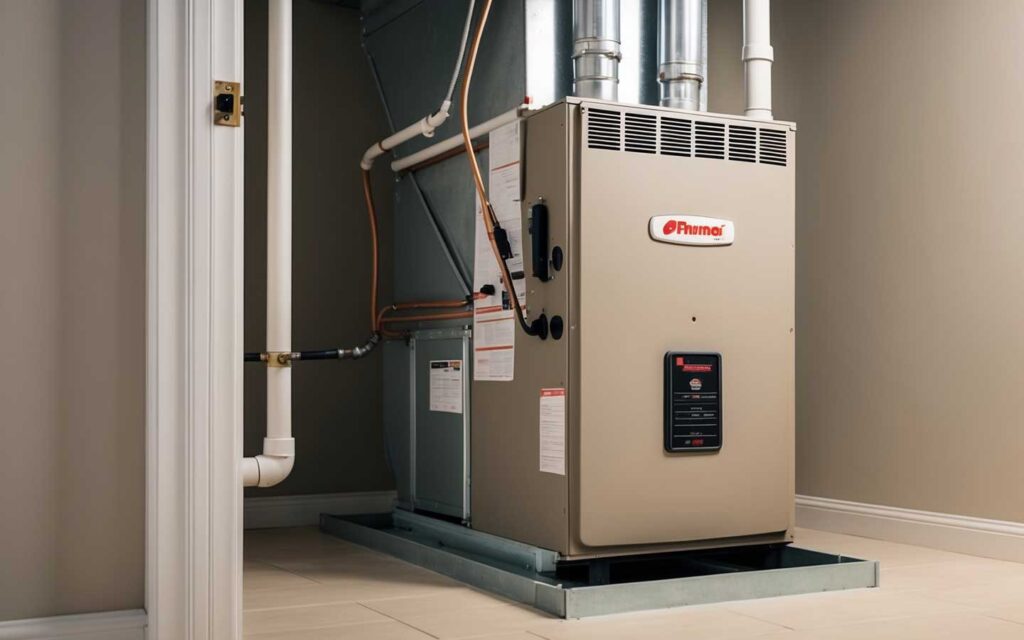
The Annual Fuel Utilization Efficiency (AFUE) rating measures the efficiency of a furnace in converting fuel to energy. This rating helps homeowners in the Coachella Valley understand how well their heating system performs and make informed decisions when purchasing or upgrading their furnaces.
How AFUE Ratings Work
An AFUE rating is expressed as a percentage representing the ratio of heat output to the energy consumed by your furnace. For example, an 80% AFUE-rated furnace means that for every dollar spent on fuel, 80 cents are used to heat your home, while the remaining 20 cents are wasted through inefficiencies such as heat loss from ductwork or exhaust gasses.
Furnace Types and Their Typical AFUE Ratings
- Older low-efficiency furnaces: These models typically have an AFUE rating between 56% and 70%. They may still be functional but will consume more energy than newer high-efficiency models.
- Mid-efficiency furnaces: With ratings ranging from 80% to 83%, these units offer better performance than older models but may not provide optimal savings on utility bills compared to high-efficiency options.
- High-efficiency condensing furnaces: Boasting impressive ratings between 90% and over 98%, these modern systems use advanced technology like sealed combustion chambers and secondary heat exchangers to minimize waste, maximizing both comfort levels and cost savings for homeowners.
The Importance of Choosing a Furnace with a High AFUE Rating
Investing in a furnace with a high AFUE rating offers several benefits for homeowners, including
- Lower energy bills: A more efficient furnace uses less fuel to generate the same amount of heat, resulting in lower monthly utility costs.
- Better comfort and indoor air quality: High-efficiency furnaces often have advanced features like variable-speed blowers and multi-stage burners that provide consistent temperatures and improved humidity control throughout your home.
- Eco-friendly operation: By reducing energy consumption, you’re also decreasing greenhouse gas emissions associated with burning fossil fuels – making your home more environmentally friendly.
- Potential rebates or tax credits: Some local utilities or government agencies may offer incentives for upgrading to an energy-efficient heating system. Be sure to check if any such programs are available in Coachella Valley before purchasing a new furnace.
Selecting the right AFUE-rated furnace is crucial for maximizing efficiency and cost savings while maintaining optimal comfort levels within your Coachella Valley home. Consider consulting an experienced HVAC professional who can help guide you through this process based on factors like climate conditions, house size, insulation levels, and budget constraints.
AFUE ratings provide a helpful measure of the efficiency of an HVAC system, so homeowners can make informed decisions when selecting one. Let us investigate the ENERGY STAR ratings to discover how they can be employed for recognizing energy-efficient systems.
What is ENERGY STAR?
The ENERGY STAR rating is a voluntary program initiated by the U.S. The ENERGY STAR rating is a program of the EPA and DOE that recognizes products that have met their stringent energy efficiency requirements, allowing consumers to purchase items with lower energy consumption than typical models. Products that meet strict guidelines for energy efficiency are awarded the ENERGY STAR label, which signifies they use less energy than standard models without compromising performance.
A. How Does an Appliance Earn an ENERGY STAR Label?
To earn the prestigious ENERGY STAR label, appliances must undergo rigorous testing and meet specific criteria set forth by the EPA and DOE regarding energy consumption and performance levels. These criteria include:
- Energy efficiency: The product must be significantly more efficient than non-certified models while maintaining or improving overall performance.
- Cost-effectiveness: The upfront expense of obtaining an ENERGY STAR-certified device should be recouped over time through decreased energy consumption, thus resulting in savings on electricity bills.
- Certification: All claims regarding a product’s energy efficiency must be verified through third-party testing conducted according to established protocols.
B. Benefits of Choosing ENERGY STAR Rated Appliances
Purchasing appliances with an ENERGY STAR rating offers numerous benefits for homeowners in Coachella Valley:
- Lower Utility Bills: By using less electricity or natural gas, you can save money on your monthly utility bills over time.
- Better Performance: In addition to being more efficient, many times, these products also offer improved features compared to their non-certified counterparts – such as quieter operation or advanced temperature controls.
- Environmental Impact: Using energy-efficient appliances helps reduce greenhouse gas emissions and other pollutants, creating a cleaner environment for future generations.
- Potential Rebates or Incentives: Some local utility companies offer rebates or incentives for purchasing ENERGY STAR-certified products. Check with your provider to see if any rebate or incentive programs are available nearby.
C. Comparing ENERGY STAR Ratings with SEER and AFUE Ratings
While both the SEER rating for air conditioners and the AFUE rating for furnaces provide valuable information about an HVAC system’s efficiency, they do not always guarantee that a product is eligible for the ENERGY STAR label. To ensure you’re selecting an appliance that meets all of these stringent requirements, look specifically for products bearing the recognizable blue-and-white ENERGY STAR logo.
In summary, understanding energy ratings like SEER (for air conditioners), AFUE (for furnaces), and ENERGY STAR can help homeowners make informed decisions when it comes to choosing efficient HVAC systems. By investing in high-efficiency equipment, you’ll enjoy lower utility bills, improved performance, and reduced environmental impact – ultimately creating a more comfortable living space in Coachella Valley homes.
Considering ENERGY STAR rankings when buying a new HVAC system is essential, and understanding the energy rating possibilities can assist you in making an educated selection. To further your knowledge on this topic, let’s explore how to choose the right energy ratings for your home.
FAQ: Energy Ratings
What is SEER2 and how is it different from SEER?
SEER2 is the updated cooling-efficiency metric introduced in 2023. It uses a more realistic test than legacy SEER, so values aren’t directly comparable. Higher SEER2 still means better efficiency.
What is HSPF2 for heat pumps?
HSPF2 is the updated heating-efficiency metric for heat pumps. It replaces legacy HSPF; higher HSPF2 indicates better heating performance.
Do ENERGY STAR and SEER2/HSPF2 overlap?
Yes. ENERGY STAR sets brand-agnostic efficiency thresholds. Many ENERGY STAR models also carry strong SEER2/HSPF2 ratings.

The Bigger Picture in Energy Savings
Across the country, rising energy costs are motivating homeowners and property owners to think long-term about efficiency. Whether that means choosing a high-SEER air conditioner, upgrading to an ENERGY STAR®-rated furnace, or even participating in renewable energy programs, locking in lower energy costs today helps guard against future price increases.
Energy improvements—big or small—also make a difference for the environment. Every efficient system installed in the Coachella Valley reduces strain on the grid and cuts carbon emissions, helping our desert communities stay comfortable and sustainable for decades to come.
If you’re ready to lower your energy bills and make your home more efficient, Anthem Air Conditioning & Plumbing can help you compare options and choose the system that delivers the best performance for your budget.
Conclusion
Grasping the energy classifications is necessary when selecting an HVAC system for your residence. SEER, AFUE and ENERGY STAR ratings are all important factors that should be considered before making a purchase. Doing research on these rating systems will help you make an informed decision about which type of system best suits your needs and budget. Investing in a high-efficiency HVAC unit can save you money over time by reducing monthly utility costs while helping protect our environment from unnecessary emissions.
Take control of your energy costs today and get the most out of your HVAC system with our expert advice on understanding energy ratings. Get started now to save money and improve efficiency!
Questions about SEER2/HSPF2 or rebates? Talk to a local specialist at (760) 895-2621 or request a free estimate. We’ll size the right system, confirm current regional requirements, and handle paperwork.


